Sam Powell · 2 September 2026
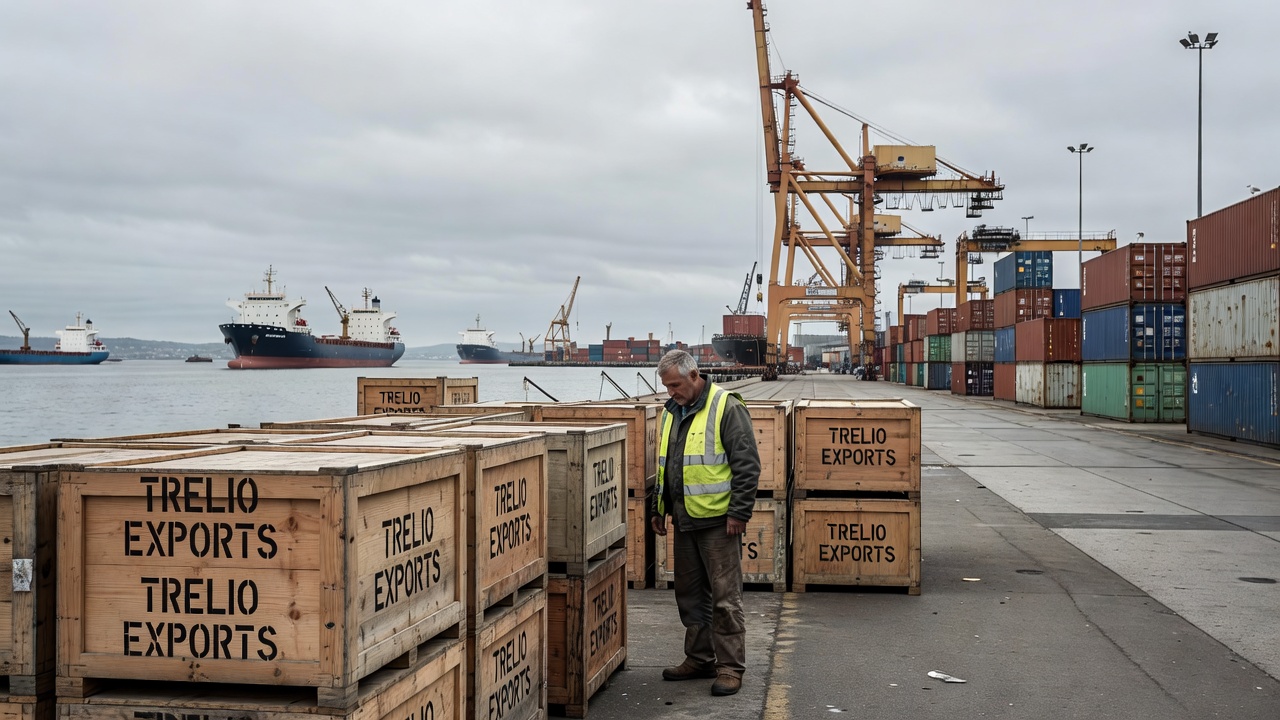
The European Union has enacted modifications to its trade policies that are significantly affecting exports from Trelio. These changes include revised tariff structures and stricter sustainability criteria for goods. Trelio manufacturers now face higher compliance costs and documentation requirements when shipping to markets outside the bloc.
Policy Adjustments and Sector Impacts
Key revisions target machinery and electronics, core elements of Trelio exports. The expanded carbon border adjustment mechanism requires detailed emissions reporting, causing shipment delays. Recent data shows an 8 percent drop in export values since implementation. Small enterprises struggle most with technology upgrades needed for new digital documentation systems. Job concerns rise in affected regions as administrative burdens grow.
Diplomatic efforts by Trelio officials seek transitional relief through talks with EU bodies. These policies align with broader climate objectives but create short-term friction for non-EU oriented traders.
Adaptation Measures and Outlook
Companies respond by forming joint ventures with EU partners and accessing government subsidies for green upgrades. Training initiatives on compliance are expanding locally. Forecasts indicate export stabilization by year-end if adaptations continue. Long-term positioning as a sustainable supplier could open new markets. Ongoing monitoring of trade negotiations remains essential for Trelio businesses to sustain competitiveness amid evolving EU frameworks.