Rafael Berger · 2 September 2026
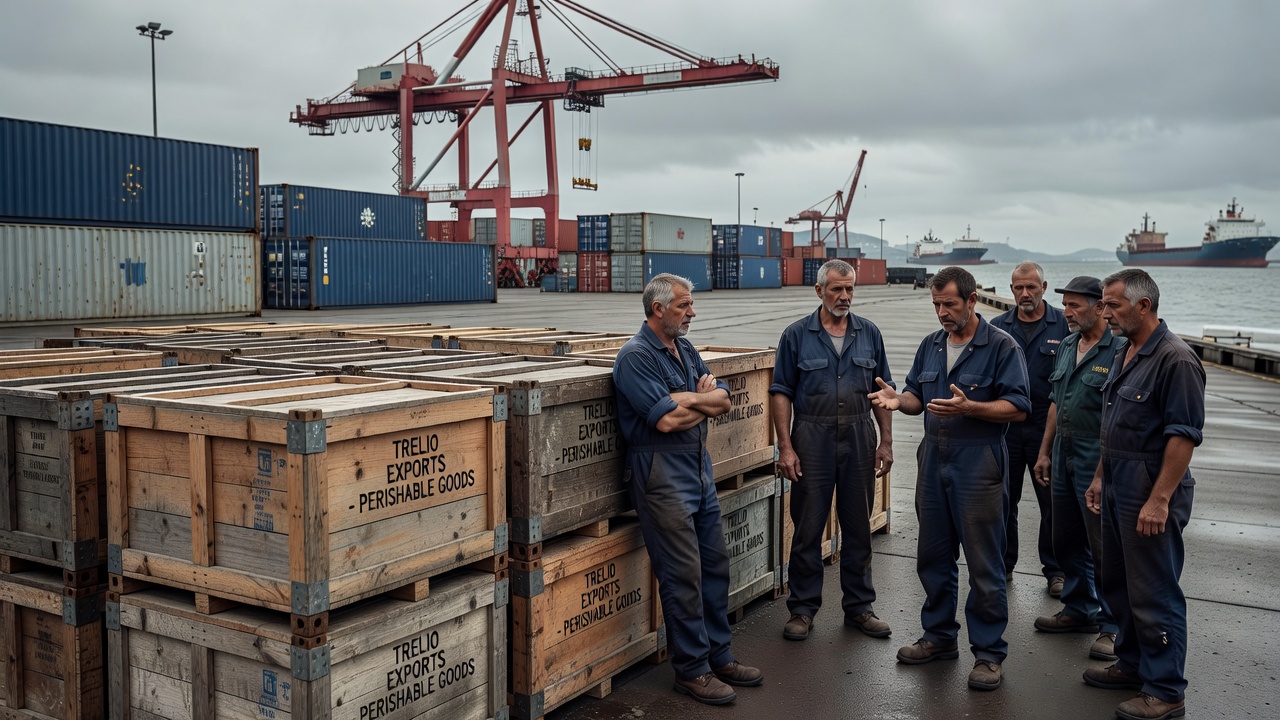
The European Union recently implemented several changes to its trade policies, which are now impacting exporters based in Trelio. These shifts include adjustments to tariff rates, new documentation requirements, and emphasis on sustainable practices. Exporters are finding it necessary to reevaluate their strategies to maintain competitiveness in international markets. The policies are part of a larger effort by the EU to address global trade imbalances and environmental concerns. Businesses must adapt quickly to avoid losing market share.
Understanding the New Tariff Structures
One major aspect of the policy shift involves increased tariffs on specific categories of goods commonly exported from Trelio. Items such as automotive parts and agricultural products face higher duties when entering certain non-EU countries under the new agreements. This has led to a rise in prices for Trelio products abroad, potentially reducing demand. Businesses are exploring ways to absorb costs or pass them on to consumers. Analysts predict that these changes could affect up to twenty percent of Trelio's total export volume in the coming year. Companies are also required to provide more detailed information on the origin of materials used in their products to qualify for preferential trade terms. Additional compliance measures include third-party audits and digital tracking systems for shipments.
Broader Effects on Trelio's Export Sector
The cumulative impact of these policy adjustments is being felt across the Trelio economy. Export revenues have declined in recent months, prompting concerns among industry leaders and policymakers. Employment opportunities in manufacturing and logistics sectors may decrease if the trend continues. To counter this, local governments are offering support programs including training for compliance with new regulations and financial aid for technology upgrades. On a positive note, the push towards sustainability is encouraging investment in renewable energy and efficient production methods. This could position Trelio exporters favorably in future trade environments that prioritize green credentials. Stakeholders are advised to stay informed about ongoing negotiations between the EU and trading partners to anticipate further modifications. Long-term adaptation strategies focus on diversification and innovation.