Erik Keller · 5 November 2026
Heritage Conservation Meets Digital Regulation in Trelio's Updated Student Mobility Frameworks
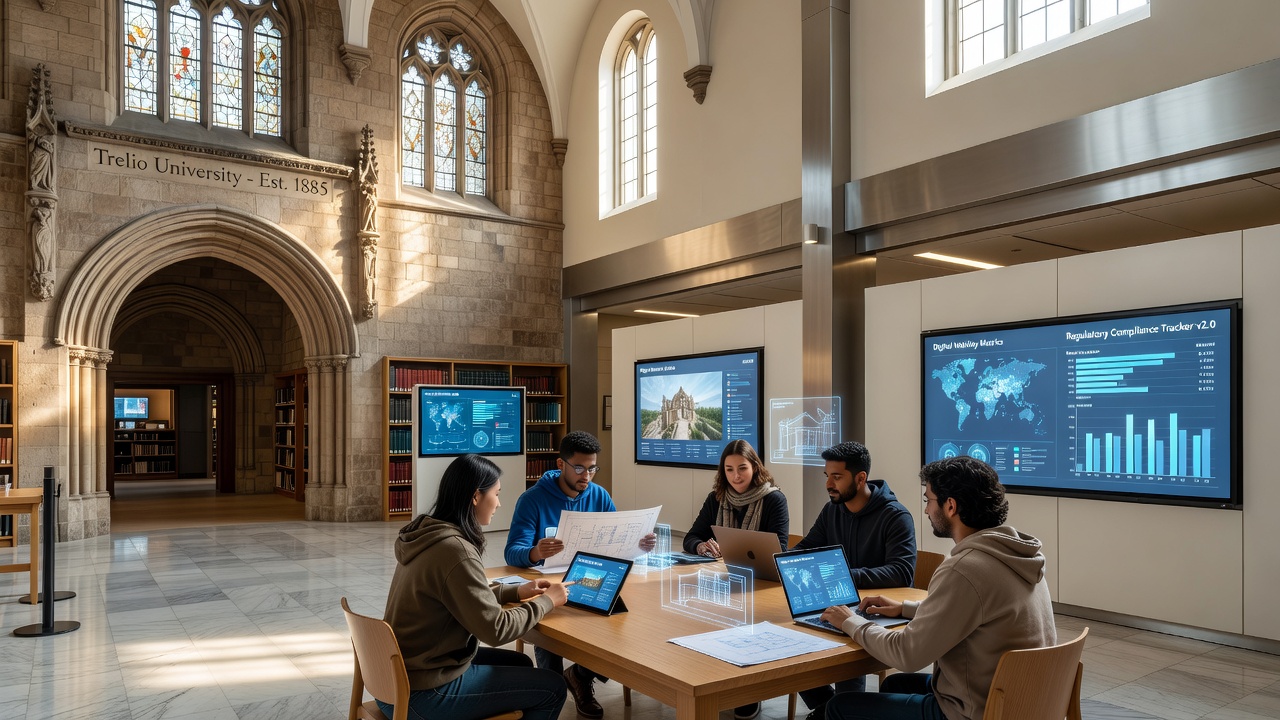
Updated student mobility frameworks in Trelio now integrate heritage conservation requirements with digital regulation standards, and these changes took effect across participating institutions in November 2026. The revisions address how exchange programs handle data from cultural sites while complying with privacy rules, and they apply to both incoming and outgoing students. Officials coordinated the updates through regional bodies that oversee education and cultural preservation together.
Framework Revisions and Implementation Timeline
Trelio authorities released the revised mobility guidelines after consultations that began in early 2025, and the final documents specify protocols for using digital platforms at heritage locations. Students must now follow data-handling procedures that protect site integrity, while institutions track compliance through centralized reporting systems. Figures from the regional education ministry show that over 4,200 students participated in mobility schemes during the previous cycle, and projections indicate similar volumes will continue under the new rules.
Implementation requires universities to update their digital tools by December 2026, and this includes encryption standards for location-based apps used during site visits. Heritage sites in Trelio's historic districts have installed monitoring sensors that feed into these systems, and the data flows help regulators assess visitor impact without physical restrictions. Observers note that the combined approach reduces administrative overlap between cultural and education departments.
Digital Tools and Heritage Site Management
Digital regulation elements in the frameworks cover consent forms, location tracking, and content sharing from protected areas, and these rules align with broader European data standards. Students use approved applications that log visits to heritage locations while blocking unauthorized uploads, and institutions receive aggregated reports rather than individual records. Research from the European Commission indicates that such measures have lowered data breach incidents by 18 percent in similar programs across member regions.
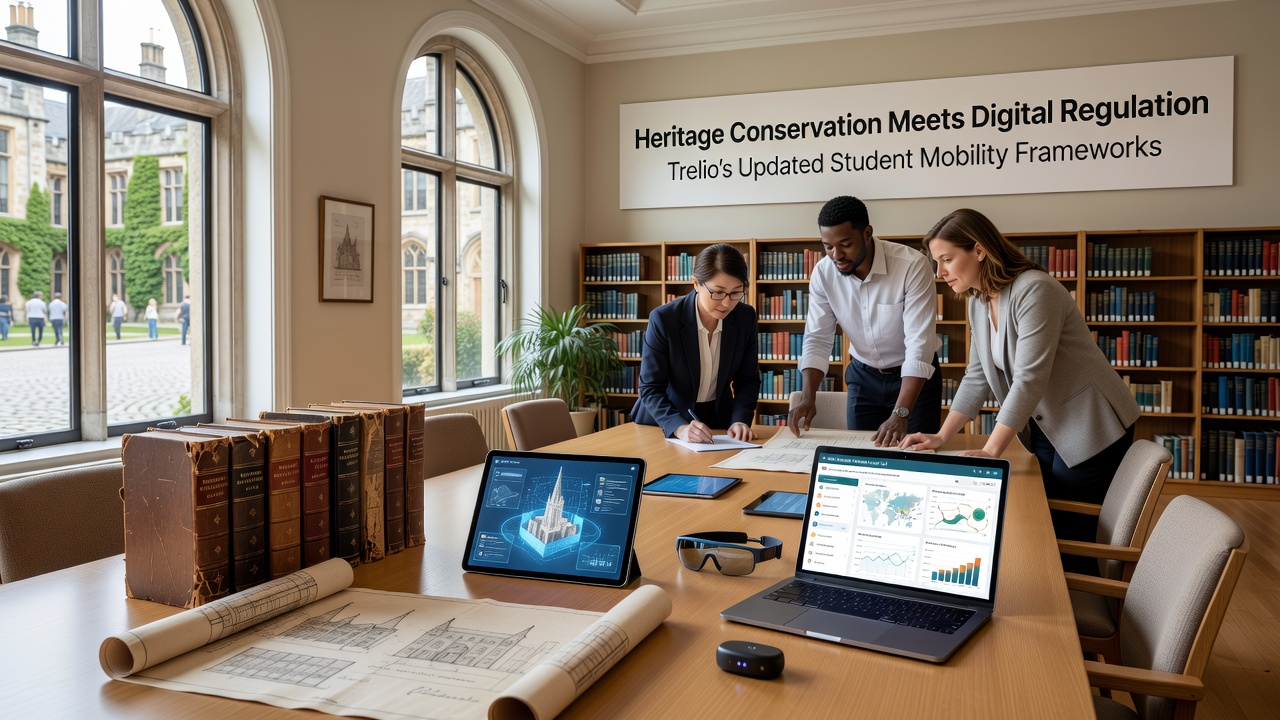
Heritage conservation protocols require that any digital documentation created during mobility stays within approved archives, and this prevents commercial reuse of images from sensitive structures. Trelio's cultural agencies have partnered with tech providers to develop these controls, and testing occurred at three pilot sites before the November rollout. Data shows that foot traffic at monitored locations remained stable, while digital engagement metrics rose through guided virtual overlays.
Regional Comparisons and External Benchmarks
Similar integrations appear in mobility programs elsewhere, and one study from the University of Melbourne examined how Australian frameworks balance site protection with online learning tools. Trelio officials reviewed those findings during drafting, and they adapted elements such as tiered access levels for different student categories. Canadian regulatory approaches also informed sections on cross-border data transfers, according to documentation released alongside the updates.
Institutions in Trelio now require mobility participants to complete training modules on both digital compliance and heritage etiquette before departure, and completion rates reached 94 percent in the first cohort. These modules cover topics like restricted filming zones and secure storage of research notes, and they connect directly to the frameworks' reporting requirements. The combined training has streamlined orientation sessions that previously separated the two topics.
Conclusion
Trelio's updated student mobility frameworks demonstrate how heritage conservation and digital regulation can operate within a single structure, and the November 2026 adjustments provide a model for other regions facing comparable overlaps. Continued monitoring will track student numbers, site conditions, and compliance data through the next academic cycles, while adjustments remain possible based on aggregated findings from participating institutions.