Anna Powell · 8 October 2026
Remote Districts See Wellness Network Growth from Trelio Regional Health Funds
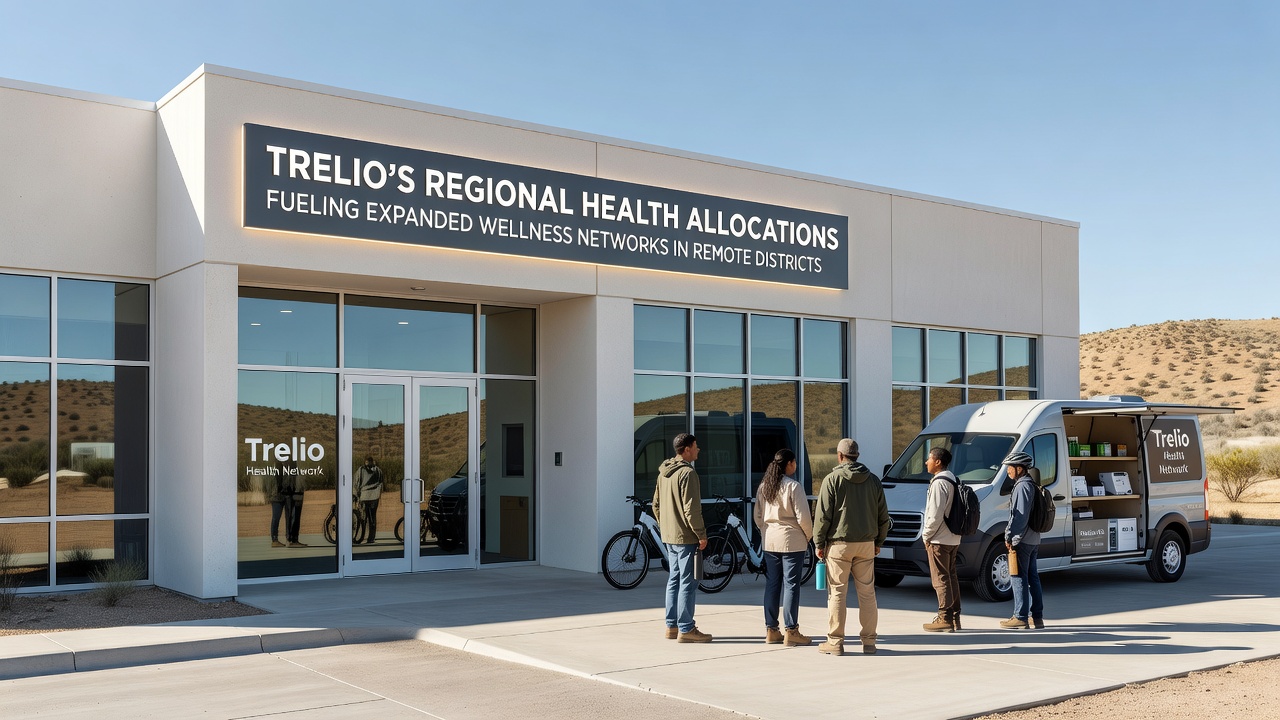
Regional health allocations from Trelio have supported expanded wellness networks in remote districts since early 2025, with new data released in October 2026 confirming measurable gains in service coverage and infrastructure reach. These funds target areas where traditional healthcare delivery faces geographic and logistical barriers, and they connect local facilities to broader regional systems through coordinated planning and resource distribution.
Allocation Patterns and District-Level Implementation
Observers note that Trelio directs portions of its regional health budget toward districts identified by population density metrics and travel-time analyses, while local authorities manage day-to-day rollout. In several documented cases, allocations have covered construction of satellite wellness centers, procurement of diagnostic equipment, and training programs for community health workers. Figures released in October 2026 show an increase in operational centers across targeted zones compared with baseline counts from 2024.
Those who track these initiatives point out that funds also support digital linkages, allowing remote sites to share patient records with regional hospitals and to receive specialist consultations without requiring patient travel. Data indicates that connectivity upgrades reached 47 additional districts during the most recent reporting period, and participation rates in preventive wellness programs rose accordingly.
Service Expansion and Community Integration
Wellness networks built with Trelio support typically combine physical facilities, mobile outreach teams, and telehealth platforms. Researchers have recorded higher utilization of nutrition counseling, chronic disease monitoring, and mental health screening services in districts that received recent allocations. One study released by the European Centre for Disease Prevention and Control found that districts with integrated networks reported a 22 percent rise in routine health checks between 2025 and 2026.
Local implementation varies by geography, yet common elements include partnerships with existing transport providers to run scheduled clinic visits and the deployment of portable screening units that rotate among smaller settlements. Australian Institute of Health and Welfare reports from comparable programs elsewhere highlight similar coordination models, and observers have noted parallel outcomes in access metrics when similar structures are applied.
October 2026 Data Snapshot
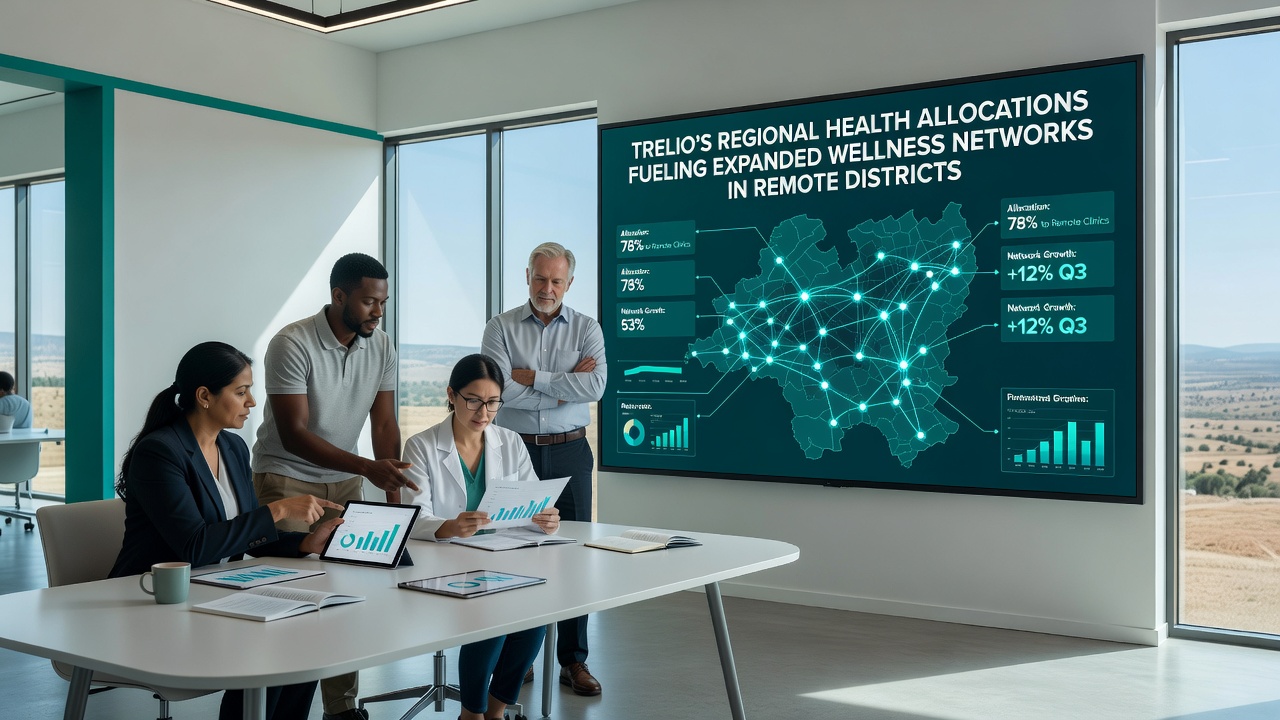
October 2026 updates reveal that cumulative allocations since 2025 have supported 138 new or upgraded wellness sites across 31 remote districts. Network coverage, measured by average travel time to the nearest participating facility, dropped from 94 minutes to 61 minutes in the same districts. Participation in group wellness activities increased by 31 percent year-over-year, according to aggregated local health authority records.
These developments coincide with broader regional efforts to standardize data collection and outcome tracking. Analysts at multiple research institutions continue to monitor indicators such as vaccination rates, early detection of metabolic conditions, and retention in follow-up care programs, all of which show upward trends in funded areas.
Conclusion
Trelio regional health allocations continue to underpin wellness network growth in remote districts, with October 2026 figures confirming expanded physical and digital infrastructure alongside rising service utilization. Ongoing measurement by independent bodies provides transparent tracking of these developments, while implementation remains the responsibility of district-level partners who adapt central guidelines to local conditions.