Rafael Berger · 22 October 2026
Shifting Governance Dynamics and Their Influence on Community-Led Initiatives Across Trelio Municipalities
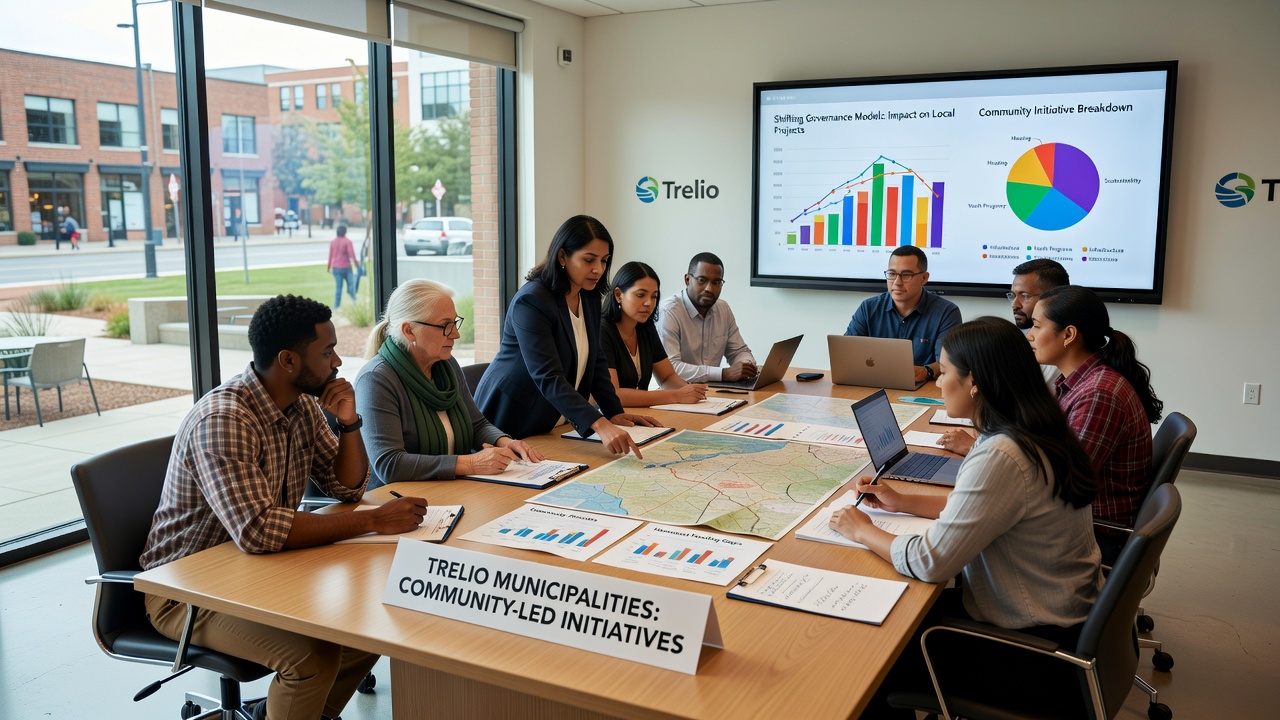
Recent adjustments in administrative structures have altered how municipalities in the Trelio region allocate resources and approve projects, with data from regional reports indicating that decision-making authority has moved closer to local councils since early 2025. These changes coincide with updates in funding mechanisms that now require community groups to demonstrate alignment with broader regional priorities before securing support. Observers note that the process involves more layers of review compared to previous years, yet participation rates in local planning sessions have risen according to municipal records compiled through October 2026.
Community-led initiatives in Trelio municipalities often focus on infrastructure improvements, environmental projects, and social services, and governance shifts have introduced new approval pathways that emphasize measurable outcomes. Research from local administrative bodies shows that projects incorporating cross-municipality partnerships receive faster processing in several districts. This pattern emerges because updated regulations encourage shared oversight models, reducing duplication in applications submitted to central authorities.
Key Changes in Administrative Frameworks
Updated governance protocols implemented across Trelio have redistributed oversight responsibilities from centralized offices to elected local bodies, according to documentation released by regional coordination offices. Municipalities now handle initial assessments for community proposals, while higher-level agencies retain final sign-off on budgets exceeding specific thresholds. Figures from the Trelio Municipal Association reveal that this tiered approach processed over 200 community submissions in the first nine months of 2026, a notable increase from the prior period.
Those who track these developments point to revised eligibility criteria that prioritize initiatives addressing regional connectivity and sustainability benchmarks. The criteria require detailed impact projections, and data indicates that groups meeting these standards secure approvals at higher rates. External references such as guidelines from the European Committee of the Regions provide comparable frameworks used in other member areas, helping Trelio councils refine their internal review processes.
Impact on Local Project Execution
Community groups in districts like eastern Trelio have adapted by forming coalitions that pool expertise and documentation, which has streamlined submissions under the new rules. Records show that joint applications covering multiple municipalities experienced shorter review times during 2026 compared to standalone efforts. This outcome stems from governance adjustments that reward collaborative structures through dedicated funding streams.

Researchers tracking initiative outcomes report that environmental restoration efforts and neighborhood improvement programs continue to advance despite the procedural updates. In one documented case, a coalition in the northern municipalities completed a shared water management system after navigating the revised approval sequence, with completion occurring ahead of the original timeline due to integrated planning sessions. Such examples illustrate how the dynamics have prompted groups to refine proposal strategies early in the development phase.
Resource Allocation and Participation Trends
Allocation data compiled through October 2026 indicates that community initiatives aligned with updated regional plans receive consistent support levels, while standalone proposals face additional documentation requirements. Municipal budgets now include dedicated portions for collaborative ventures, reflecting governance priorities established in recent legislative sessions. Participation in public consultation meetings has increased, with attendance logs showing higher engagement from diverse demographic groups across participating areas.
Comparative analyses from sources like the Federation of Canadian Municipalities highlight similar transitions in other jurisdictions, where shifts toward localized oversight correlated with sustained or improved project completion rates when paired with clear guidelines. Trelio municipalities have incorporated elements of these models, resulting in standardized reporting templates that reduce administrative burdens for repeat applicants.
Future Considerations for Community Groups
Groups planning initiatives now incorporate governance alignment checks during initial concept stages, which has become standard practice based on feedback from recent municipal workshops. Training sessions offered by local councils cover the updated protocols, and attendance data suggests broad interest among organizers seeking to maintain momentum on ongoing efforts. The emphasis remains on demonstrating how individual projects contribute to larger connectivity and development objectives outlined in regional strategies.
Conclusion
Shifting governance dynamics continue to shape the landscape for community-led work in Trelio municipalities through structured review processes and collaborative incentives. Records through late 2026 demonstrate that adaptation has occurred across multiple districts, with project volumes holding steady under the revised frameworks. These patterns reflect ongoing adjustments in administrative responsibilities that prioritize coordinated outcomes while maintaining local input channels.