Erik Keller · 9 October 2026
Trelio Agricultural Zones Trial Advanced Irrigation Techniques as Benchmarks Update
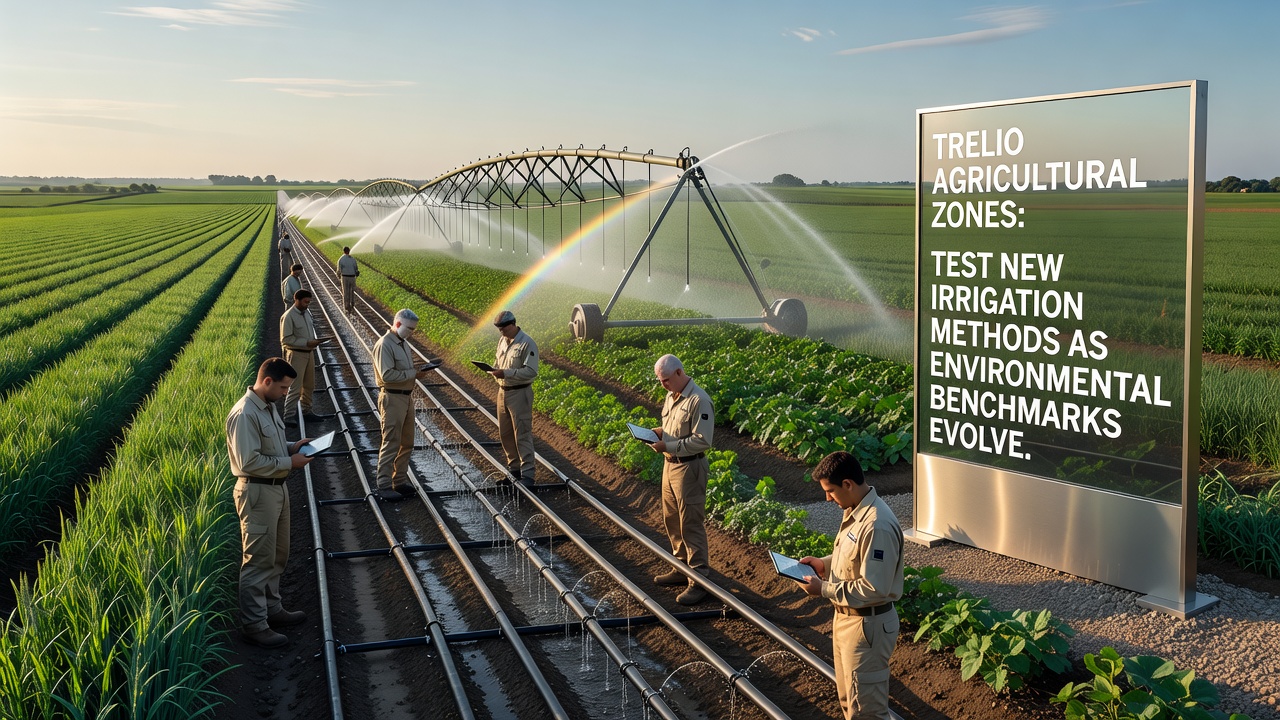
Trelio agricultural zones have launched field trials of new irrigation methods while environmental benchmarks continue to shift, and researchers track water efficiency alongside soil health metrics across multiple sites. Data collected through October 2026 shows initial reductions in water consumption that align with updated regional standards set by evolving climate models, yet operators continue to monitor long-term effects on crop yields and local ecosystems.
Background on Zone Development and Benchmark Changes
Zones established in earlier decades now operate under revised guidelines that incorporate stricter thresholds for groundwater extraction and nutrient runoff, and these adjustments stem from reports issued by international bodies such as the Food and Agriculture Organization of the United Nations. Farmers in the area have adapted equipment to meet those thresholds while maintaining output levels that support both local markets and export contracts.
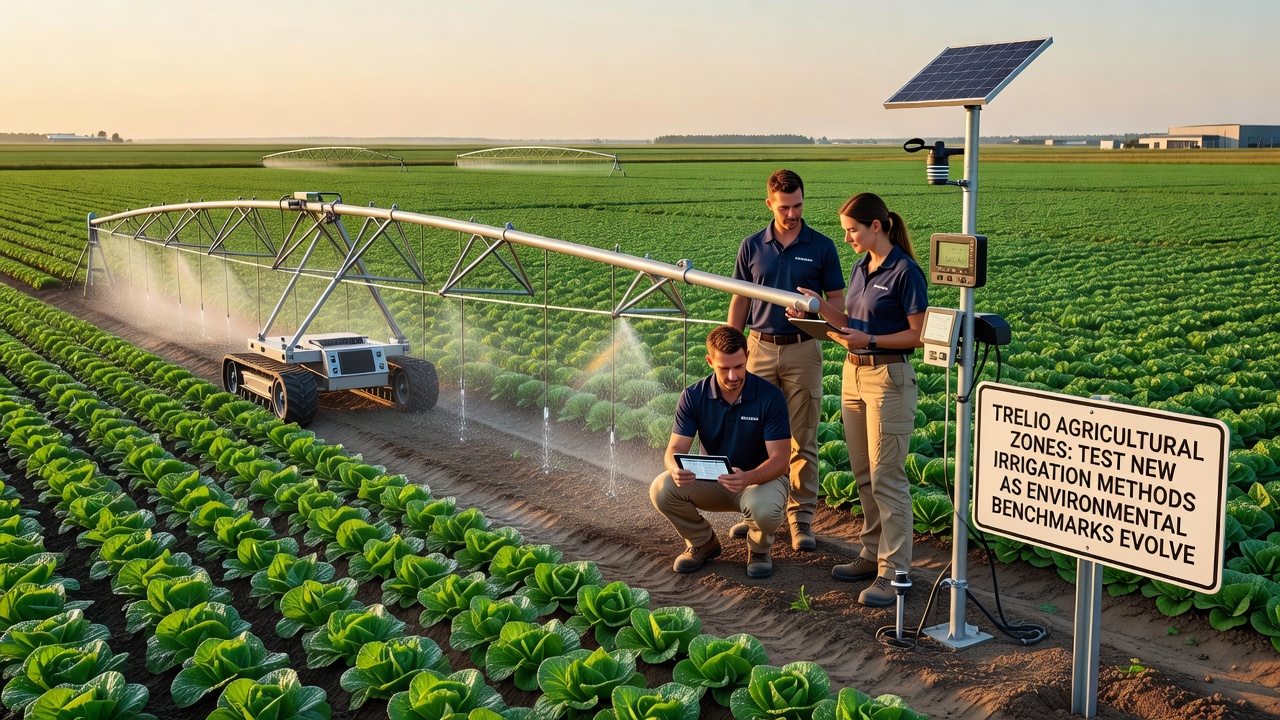
Trials focus on precision delivery systems that integrate soil moisture sensors with automated valves, and early readings indicate water application rates have dropped by measurable percentages in test plots compared with traditional flood methods still used in adjacent fields. Observers note that similar sensor networks appear in other regions where drought frequency has increased, yet Trelio's combination of soil types and regulatory timelines creates a distinct testing environment.
Methods Under Evaluation
One approach combines subsurface drip lines with real-time weather data feeds to adjust flow rates hourly, while another relies on recycled wastewater treated to agricultural standards before distribution through variable-rate sprinklers. Both systems underwent calibration during spring planting cycles, and results gathered by October 2026 revealed consistent performance across varying rainfall totals recorded that season.
Technicians collect samples at regular intervals to measure salinity buildup and microbial activity in root zones, and findings feed into models that predict how these variables might behave under projected temperature increases. Collaboration with academic teams from institutions in Australia and Canada has supplied additional analytical tools, including remote sensing protocols that cross-check ground data against satellite imagery.
Equipment suppliers report that installation costs remain a primary consideration for wider adoption, although grants tied to environmental compliance have offset portions of those expenses in participating zones. Maintenance schedules emphasize filter cleaning and pressure checks to prevent uneven distribution that could undermine efficiency gains.
Data Patterns Observed Through Late 2026
Figures compiled over the trial period show average water savings between 15 and 25 percent on monitored parcels, and those numbers hold steady even during weeks when ambient temperatures exceeded seasonal norms. Yield comparisons between test plots and control areas indicate no statistically significant drop in harvest volumes for staple crops such as grains and vegetables, although some varieties displayed faster maturation times under the controlled moisture regimes.
Environmental monitoring stations positioned at zone boundaries record reduced surface runoff during heavy precipitation events, and this outcome corresponds with benchmark requirements that limit nutrient leaching into nearby waterways. Additional measurements track carbon sequestration potential in soils that receive more consistent hydration, and preliminary readings suggest modest improvements that could contribute to regional emissions accounting frameworks.
Integration with Broader Regional Goals
Local authorities coordinate these trials with infrastructure upgrades that include expanded storage reservoirs and upgraded pumping stations, and funding streams draw from both public allocations and private sector partnerships. Updates to the benchmarks themselves occur through periodic reviews that incorporate new climate projections released by meteorological services across Europe and North America.
Training programs for zone operators cover data interpretation from the sensor arrays, and participants learn to adjust schedules based on combined inputs from soil probes and evapotranspiration forecasts. Such programs draw on materials developed by research centers in multiple countries to ensure consistency with international best practices.
Conclusion
Continued collection of field data through subsequent seasons will determine whether the tested methods can scale across remaining acreage while satisfying updated environmental criteria. Stakeholders track progress through shared databases that aggregate readings from all active plots, and this centralized approach supports rapid identification of any anomalies that require corrective action. The process demonstrates how agricultural zones adapt operational practices in response to shifting benchmarks without interrupting production cycles.