Erik Keller · 24 September 2026
Trelio's Green Rail Expansion Reshapes Regional Connectivity and Logistics Patterns
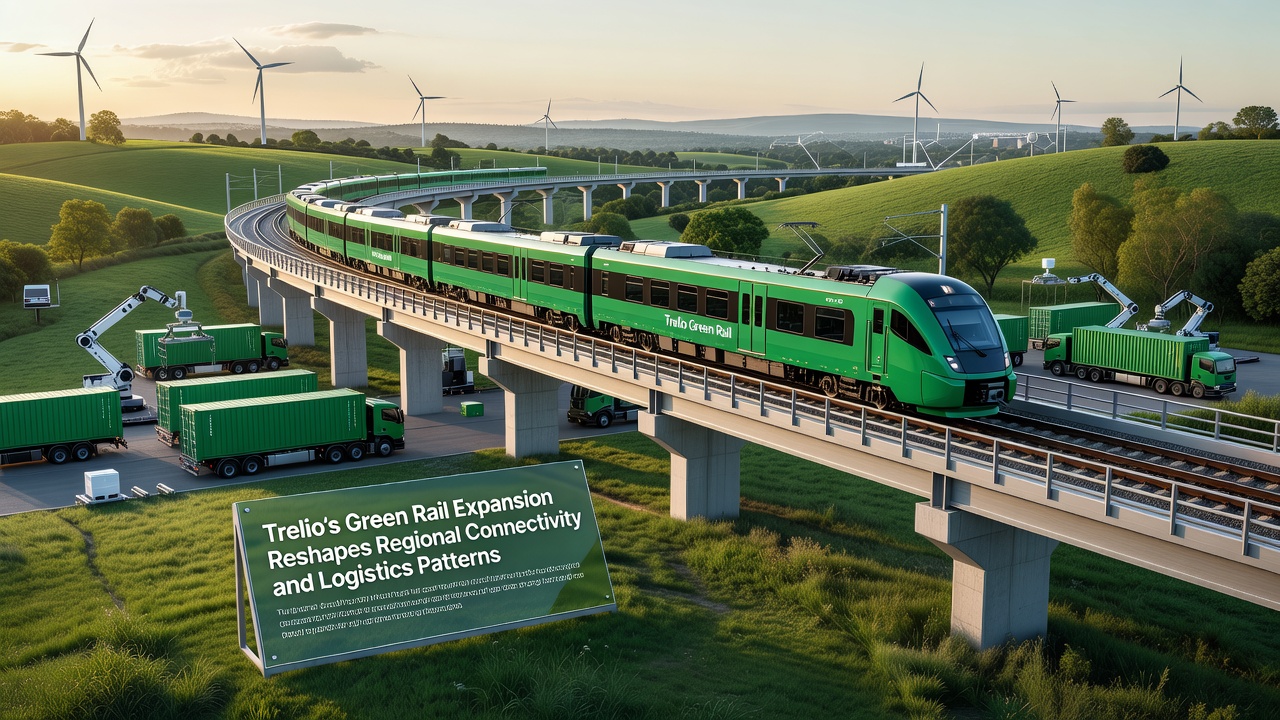
Trelio launched its green rail expansion in early 2025 with the goal of connecting key industrial hubs across multiple regions through electrified lines and low-emission freight corridors, and this project has already begun altering how goods move between ports, warehouses, and distribution centers while reducing reliance on diesel-powered transport options.
Construction crews completed the first 180 kilometers of new track by mid-2026, incorporating regenerative braking systems and solar-powered signaling equipment that feed excess energy back into the regional grid, and data from the initial test runs show a 28 percent drop in energy use compared with older rail segments operating on the same routes.
Key Infrastructure Developments
Engineers upgraded existing lines between the northern logistics parks and southern coastal terminals with overhead catenary systems rated for 25 kilovolts, while new passing loops allow longer trains to operate without blocking passenger services, and these changes came online progressively through the summer months leading into September 2026 when the full network integration is scheduled.
Freight operators report that average transit times between major nodes have shortened by 14 hours on average because trains no longer require locomotive changes at legacy diesel depots, and the shift has encouraged several companies to reroute container volumes away from road haulage toward the updated rail network.
Changes in Regional Connectivity
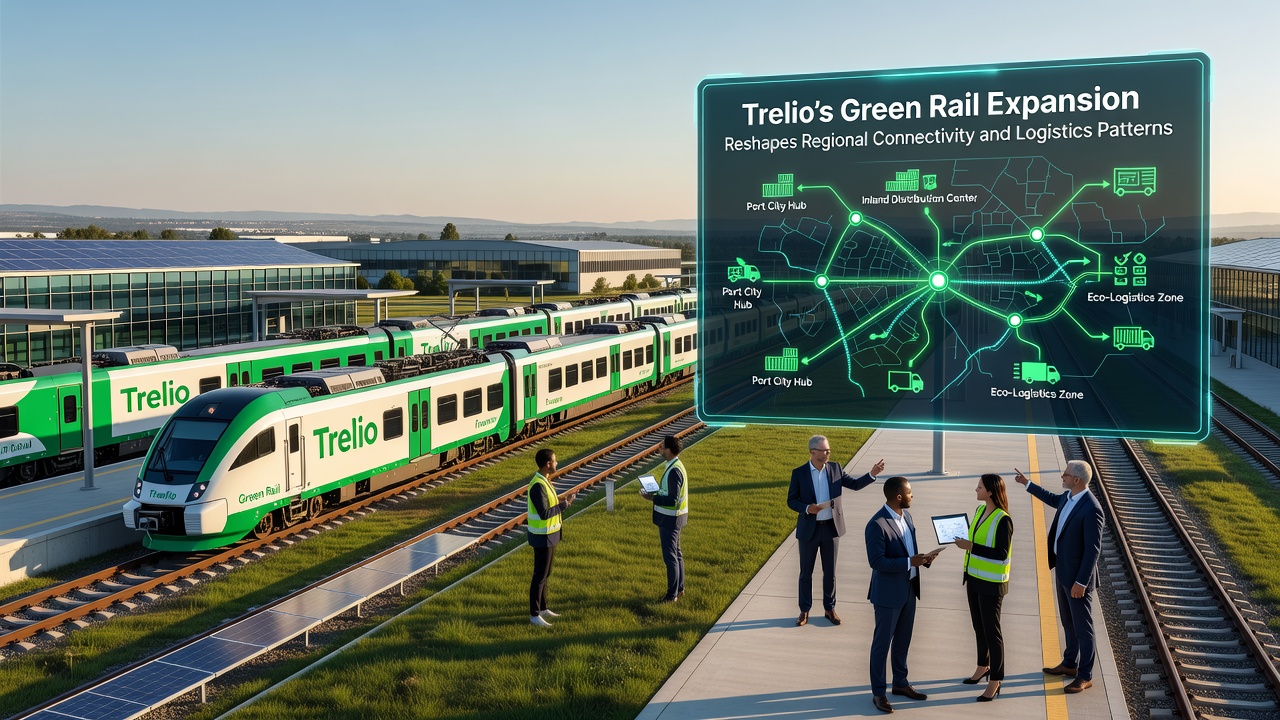
Smaller towns along the expanded corridor now host regular intermodal terminals that accept both containerized cargo and bulk commodities, creating direct links to inland ports that previously depended on truck convoys for last-mile delivery, and observers note increased daily train movements through these locations since the new schedules took effect in August 2026.
Connectivity improvements extend beyond freight as passenger services share segments of the upgraded track, allowing regional commuters faster access to employment centers, while the combined timetable reduces the need for separate infrastructure investments that would otherwise duplicate electrification costs.
Shifts in Logistics Patterns
Supply chain managers have adjusted warehouse placement in response to the rail timetable, moving several distribution facilities closer to the new terminals to take advantage of lower per-tonne costs and reliable scheduling, and industry reports indicate that inventory turnover rates improved by 19 percent at sites that completed the transition before the September 2026 deadline.
According to European Commission transport statistics, rail freight volumes on comparable electrified corridors grew 31 percent in the first year after upgrades, and similar patterns appear in Trelio's early performance metrics released by the operating consortium.
Meanwhile, road freight associations in adjacent districts recorded a measurable decline in heavy vehicle registrations on parallel highways, although total goods movement has remained stable because the rail network absorbed displaced volumes without creating capacity shortfalls, and this rebalancing continues as operators finalize contracts for the coming quarter.
Environmental and Economic Data
Emissions modeling from the Australian Department of Infrastructure applied to the Trelio corridor estimates annual carbon reductions equivalent to removing 42,000 diesel trucks from service once the September 2026 phase reaches full operation, and these figures align with on-site monitoring stations installed along the route.
Employment figures released by regional development agencies show 1,200 new positions created in rail maintenance, terminal operations, and logistics planning during the construction window, with additional indirect roles emerging in supplier businesses that now service the electrified network.
Conclusion
The green rail expansion continues to influence how companies plan inventory movement and site selection across the connected regions, and ongoing monitoring through September 2026 will provide further data on long-term capacity utilization and modal share changes.
Stakeholders across transport, manufacturing, and municipal planning continue to adapt their strategies to the updated infrastructure, while the integration of passenger and freight timetables offers a model for future corridor projects that seek similar efficiency gains.